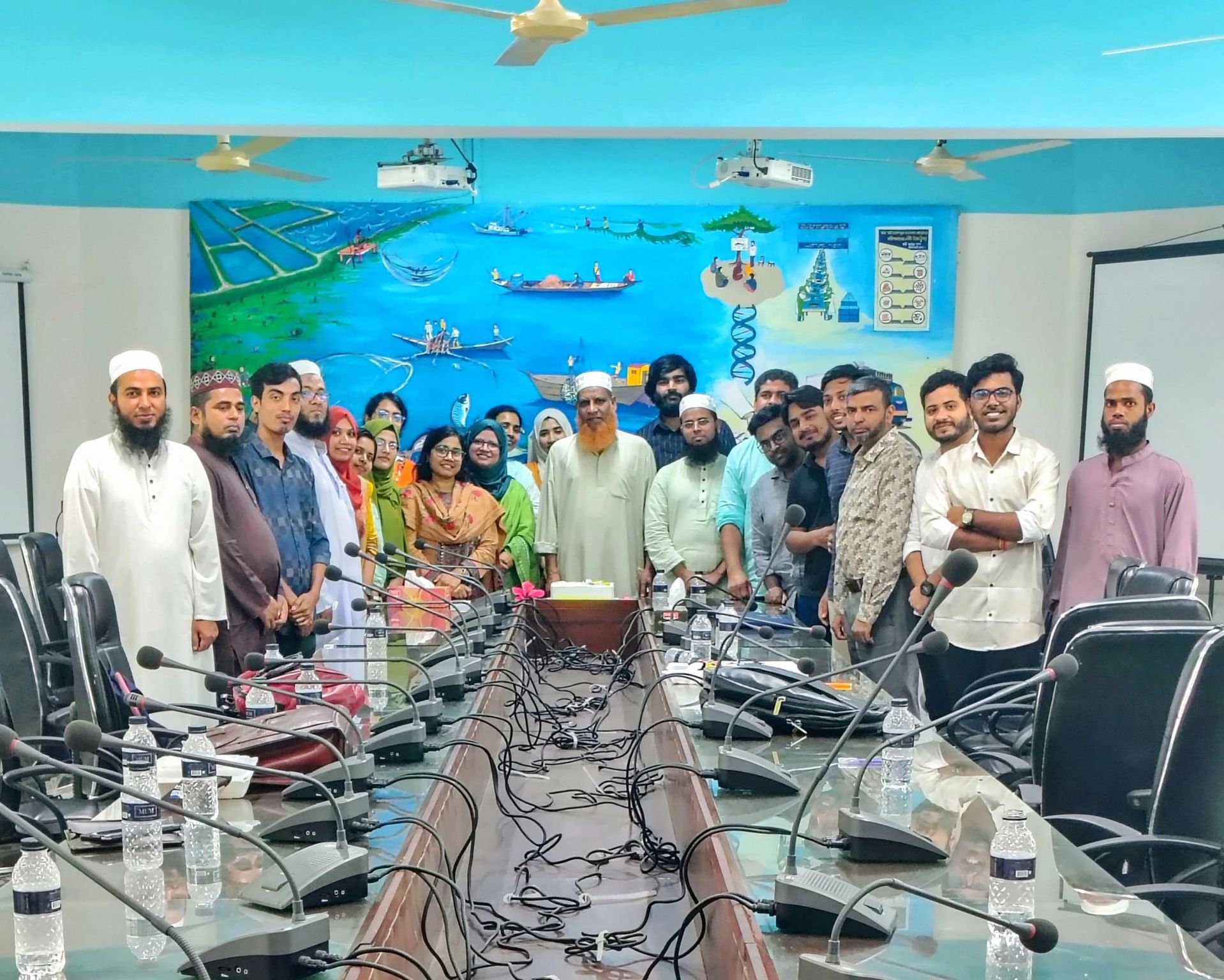
Laboratory of Fish Ecophysiology Celebrates PhD Seminars and Research Excellence
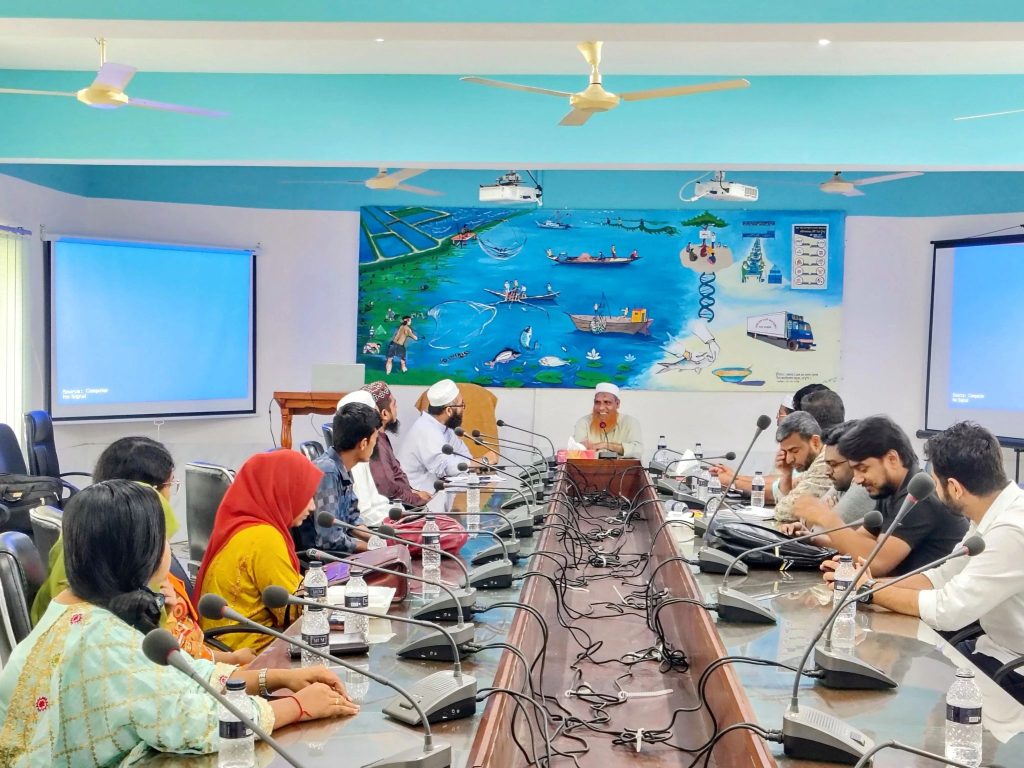
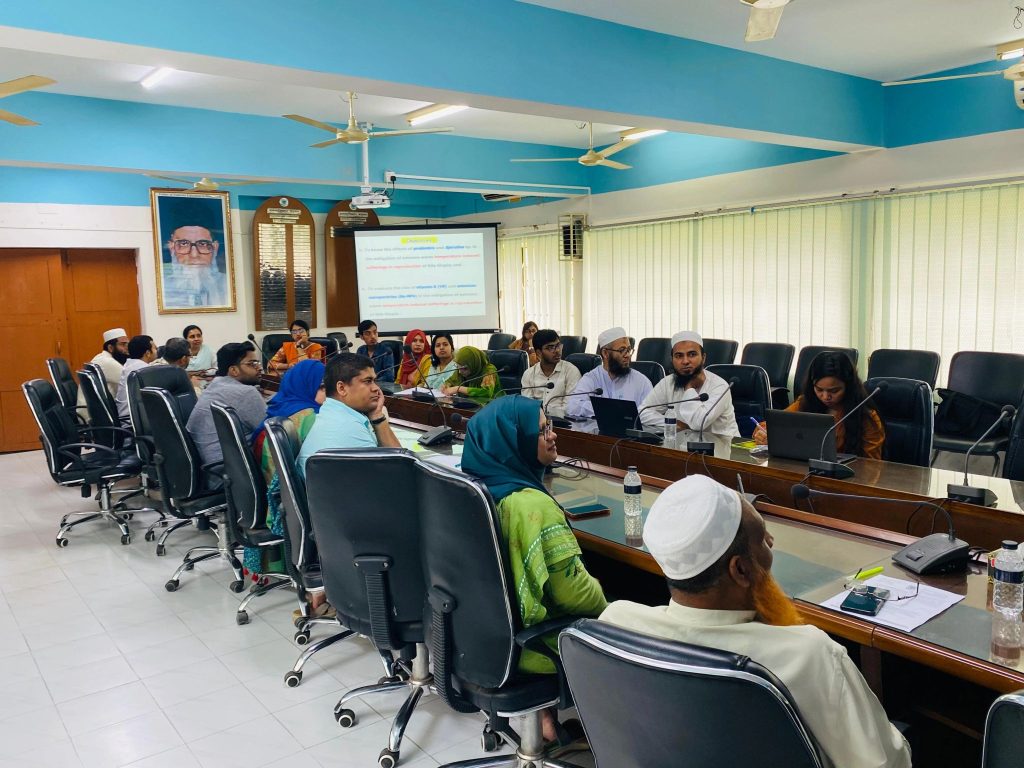
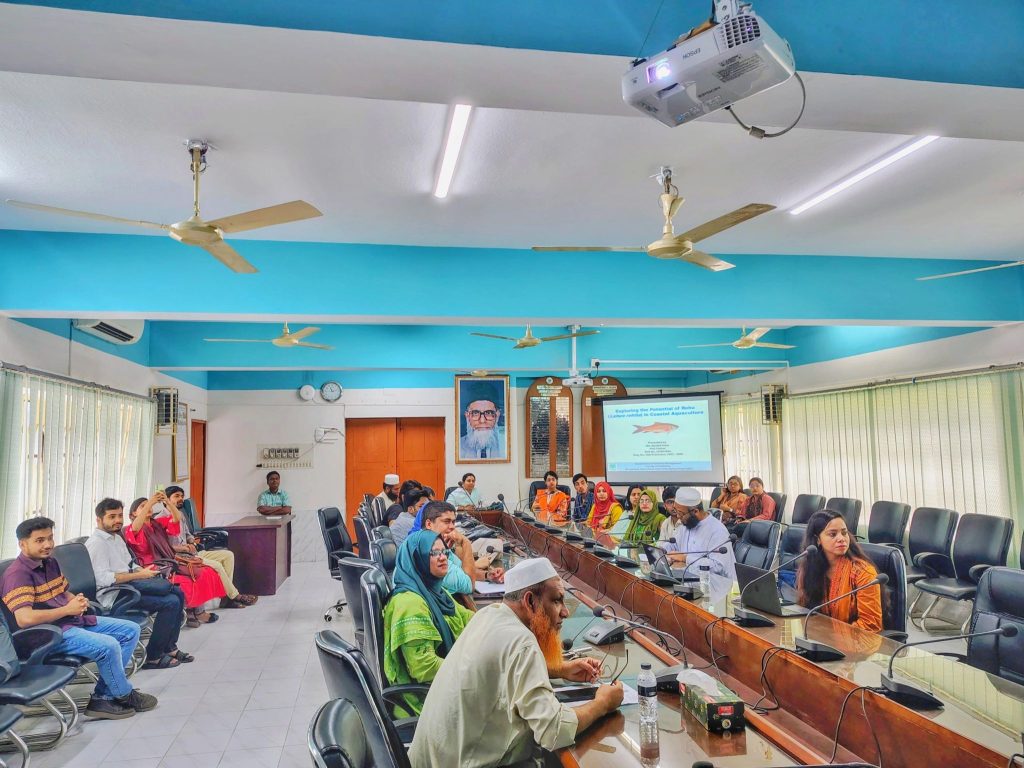
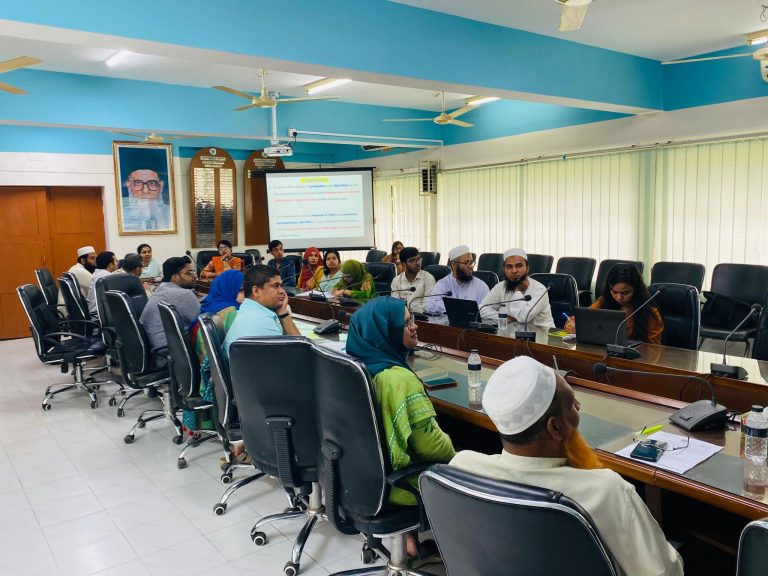
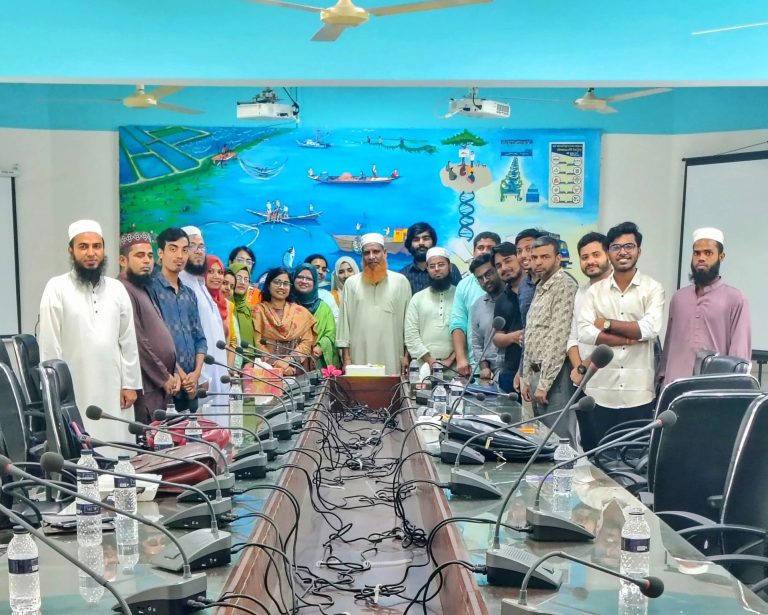
The Laboratory of Fish Ecophysiology at Bangladesh Agricultural University (BAU) recently marked a significant milestone in academic excellence. The department hosted the inaugural PhD seminars of two promising researchers, Md. Mokhlasur Rahman and Md. Shafiul Alam. Both scholars are conducting their advanced research under the esteemed supervision of Prof. Dr. Md. Shahjahan.
Advancing Research in Fish Ecophysiology
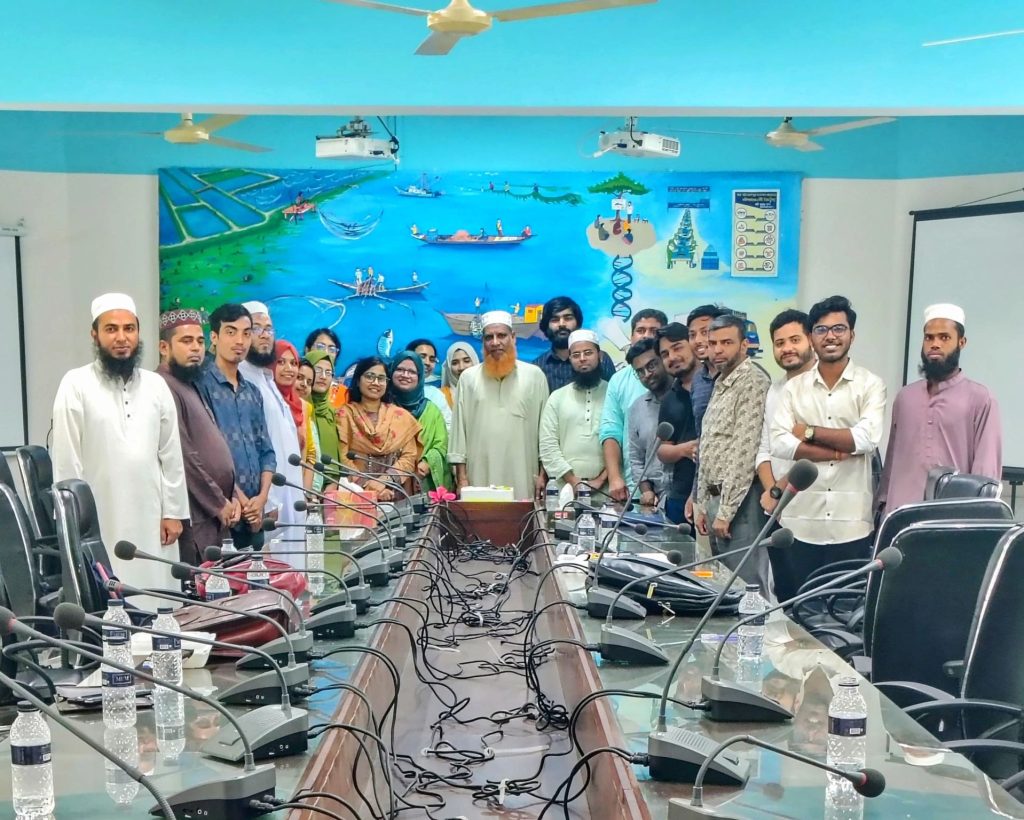
These seminars showcased the high-quality scientific work currently being performed within the Laboratory of Fish Ecophysiology. The presentations covered critical aspects of fish biology and environmental impacts, highlighting the laboratory’s commitment to solving modern aquaculture challenges. Faculty members and students attended the event, engaging in a productive academic dialogue that further enriches the research culture of the university.
Honoring Prof. Dr. Md. Shahjahan’s Achievements
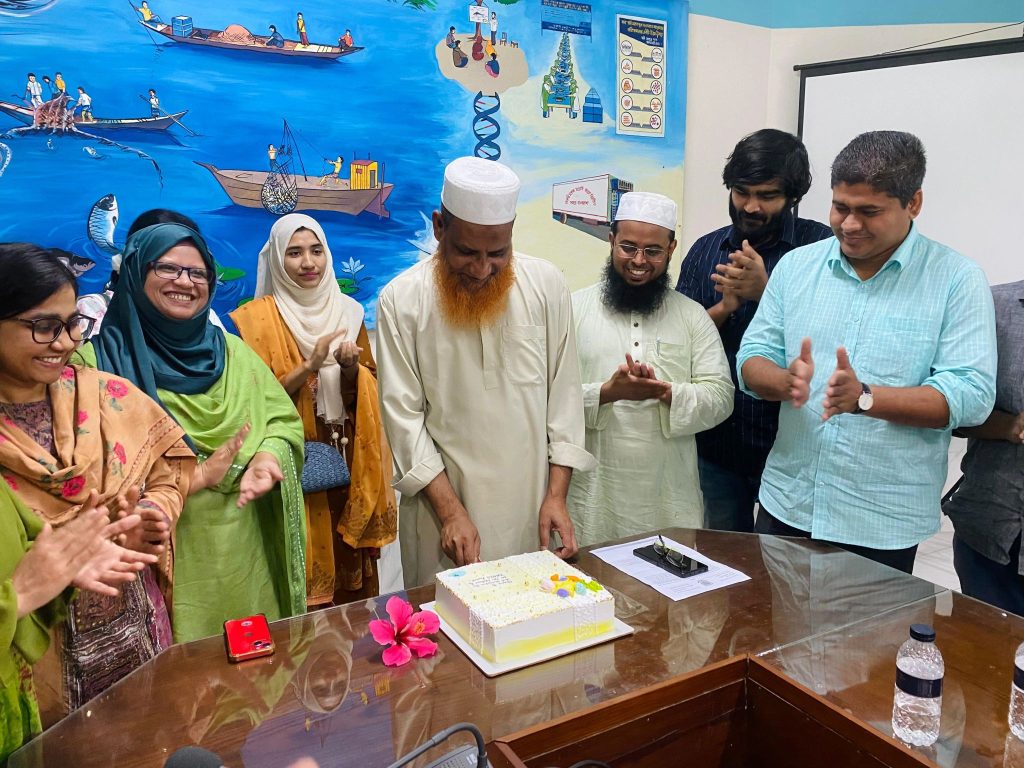
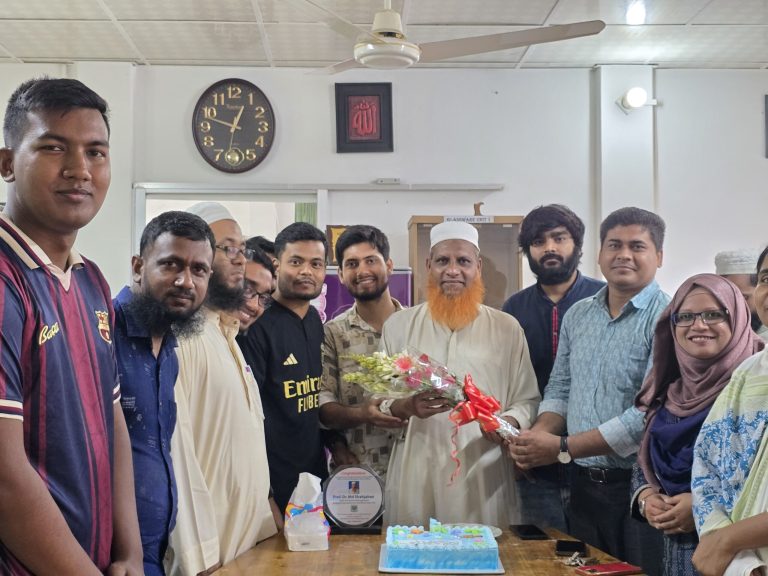
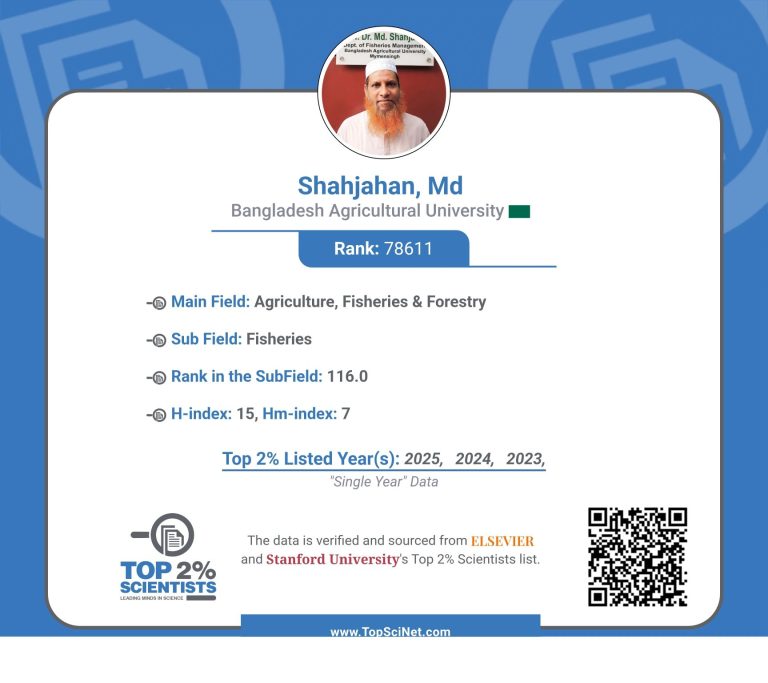
Beyond the student presentations, the event served as a celebration of the remarkable career of Prof. Dr. Md. Shahjahan. Under his leadership, the Laboratory of Fish Ecophysiology has become a hub for global scientific recognition. Recently, Professor Shahjahan surpassed the milestone of 7,000+ citations on Google Scholar, a testament to the global impact of his research papers.
Furthermore, the professor was recently honored with the prestigious BAURES Award. This award recognizes his consistent dedication to agricultural research and his role in elevating the status of the university’s fisheries management department. His mentorship continues to inspire the next generation of scientists working in the Laboratory of Fish Ecophysiology.
A Future of Academic Excellence
The successful completion of these PhD seminars reflects the rigorous training provided at the Laboratory of Fish Ecophysiology. By fostering an environment of innovation and hard work, the lab ensures that its graduates are well-equipped to contribute to the global scientific community. We look forward to the future breakthroughs that these young researchers will bring to the field of fish ecophysiology.