Advancing Sustainable Aquaculture Practices Through New Lab Experiments
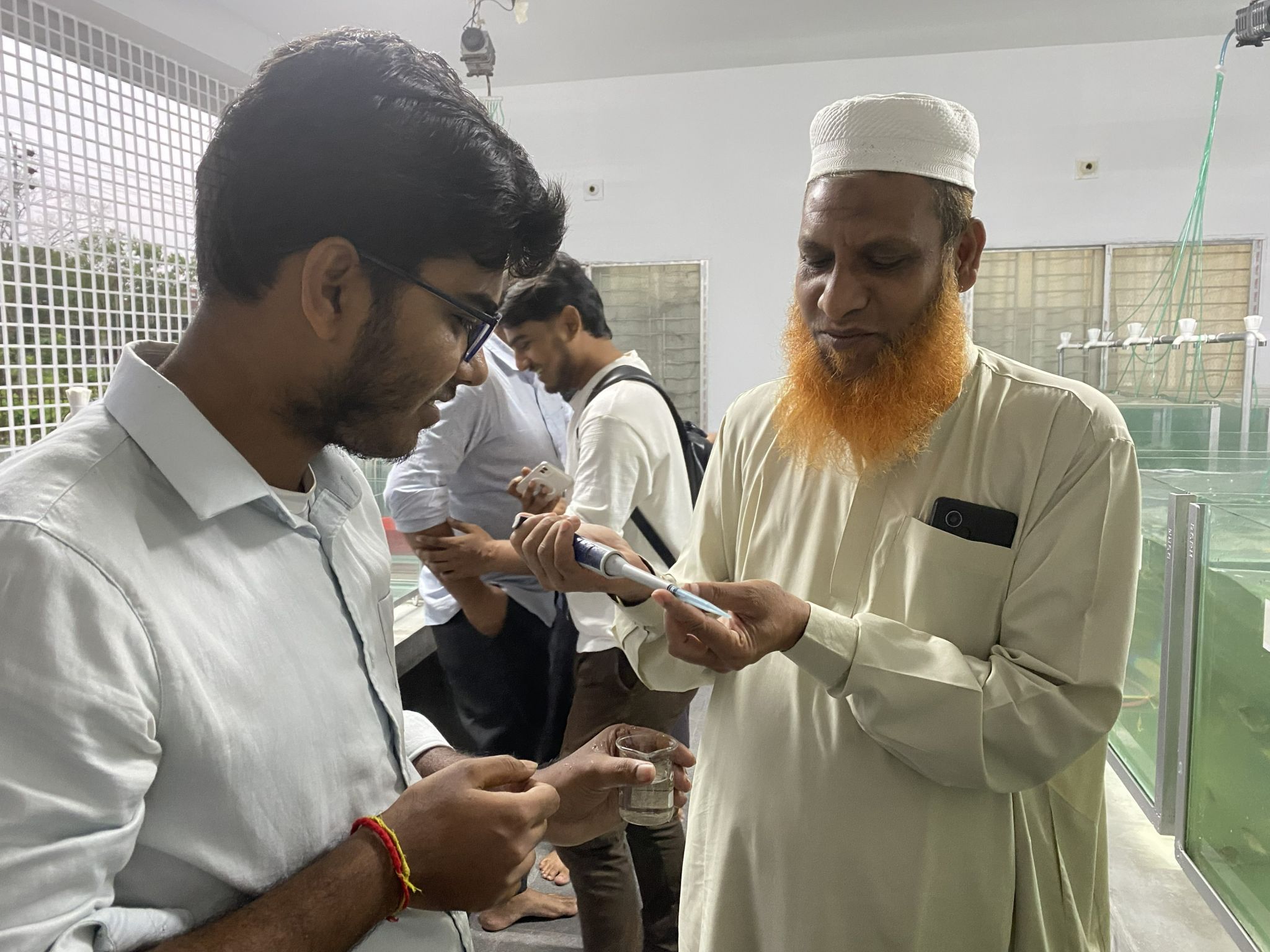
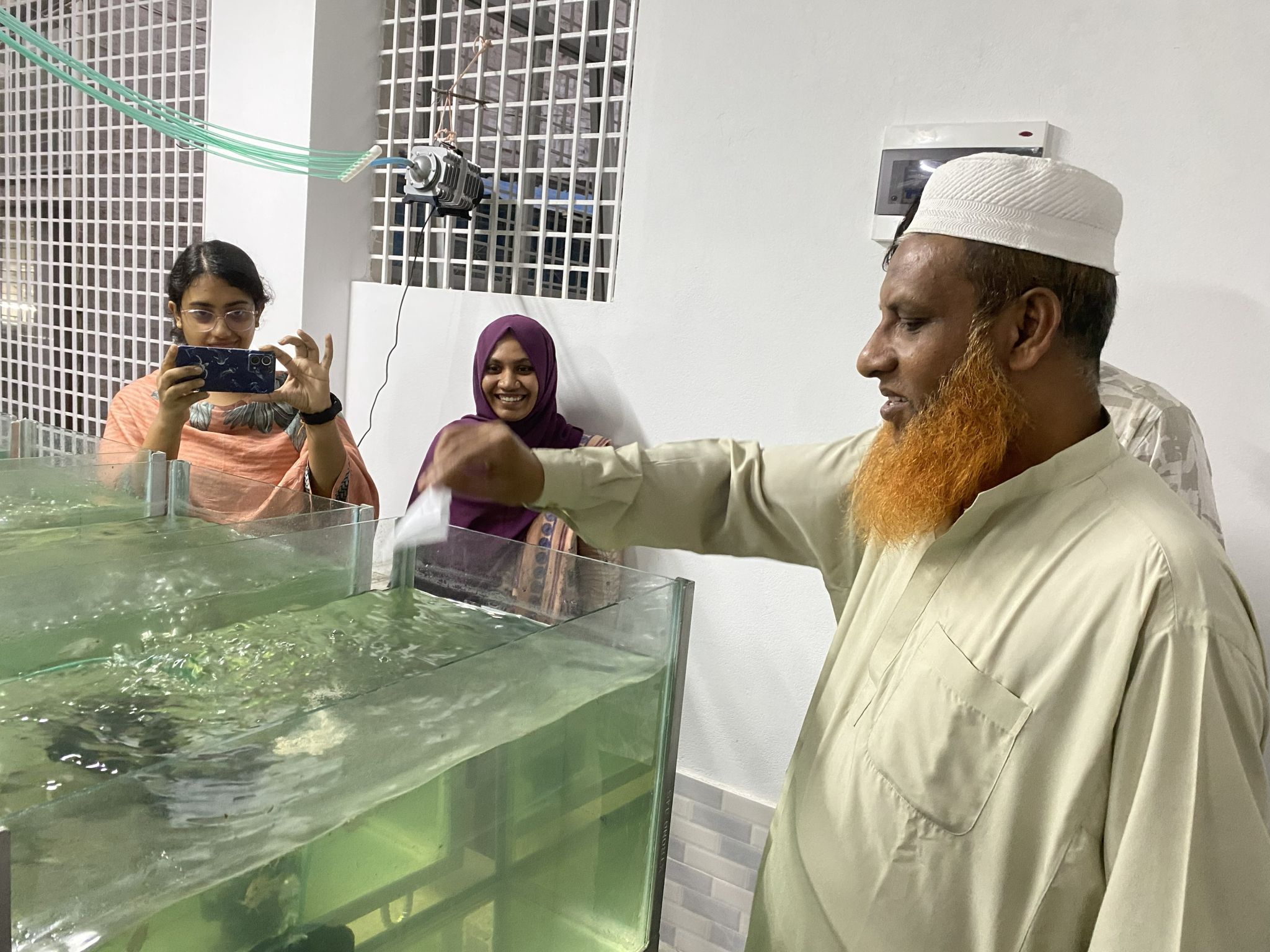
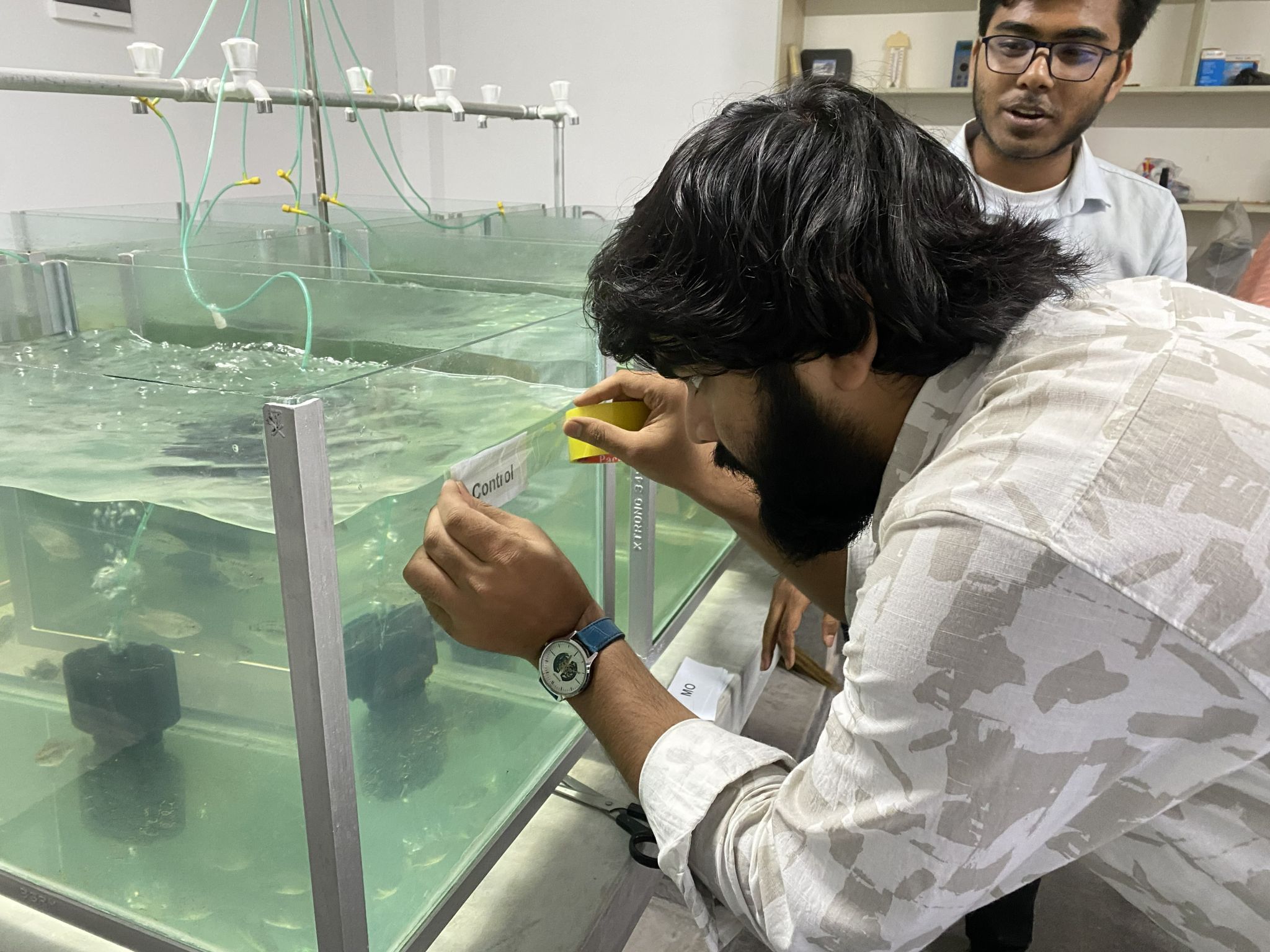
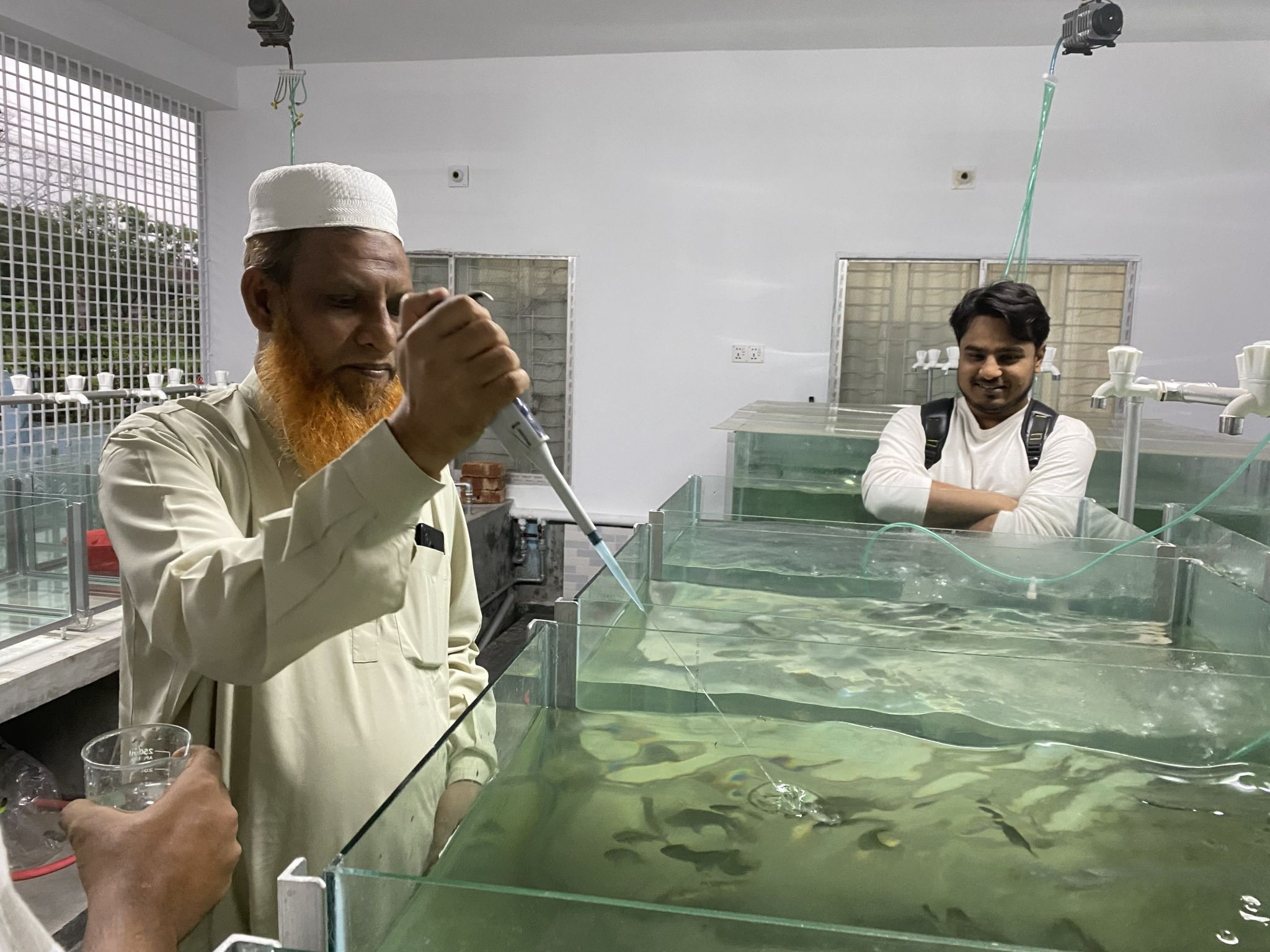
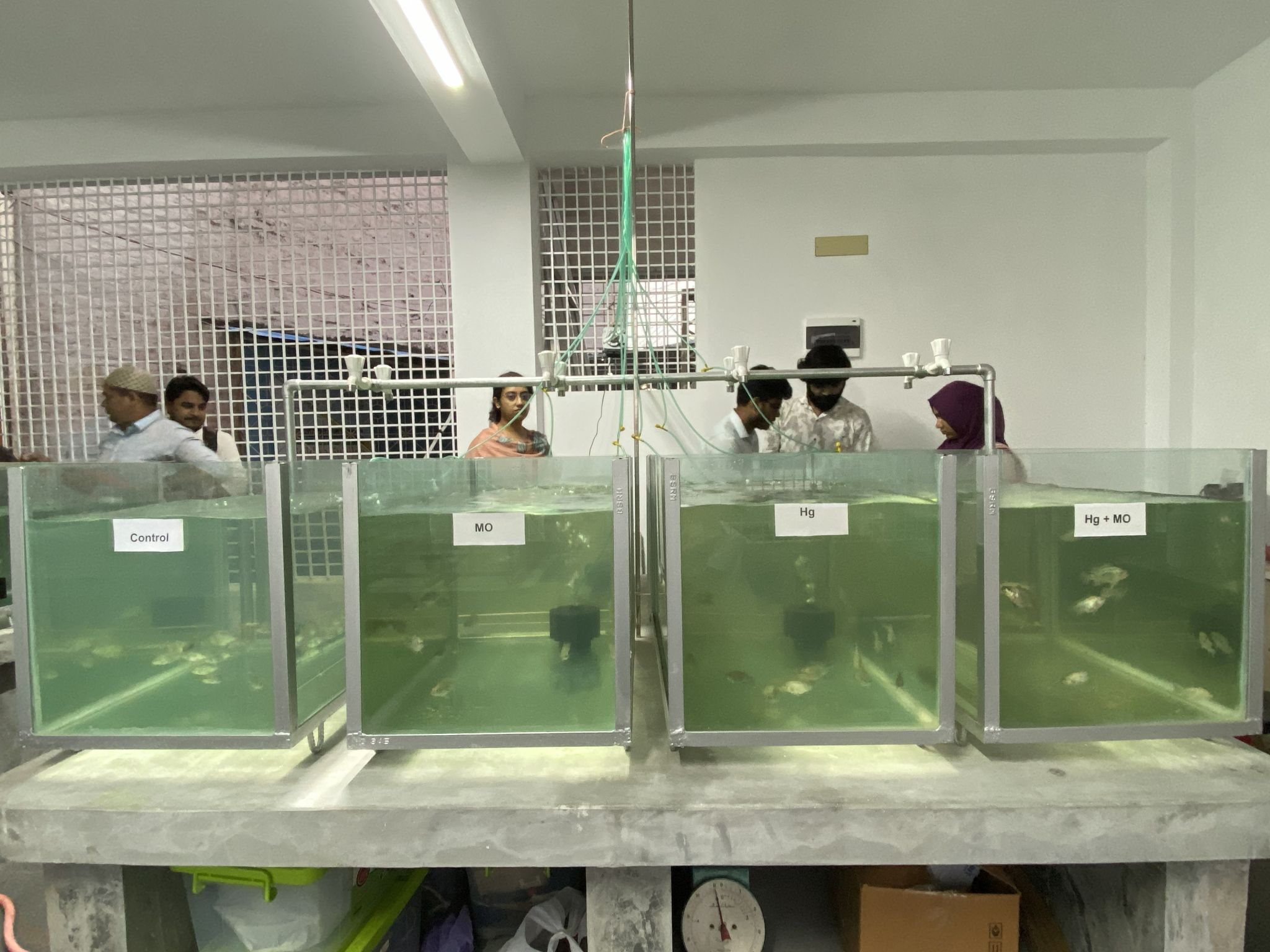
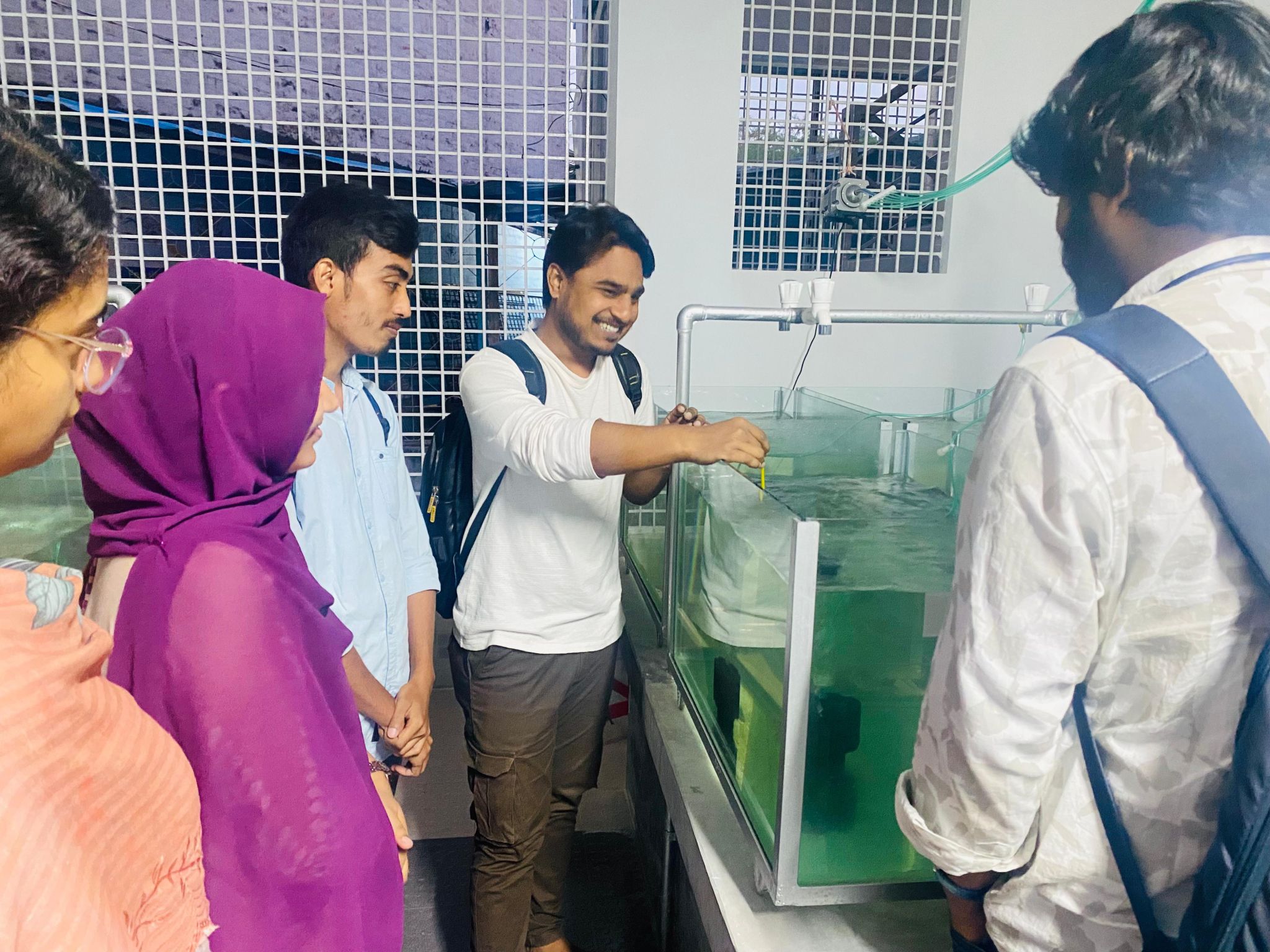
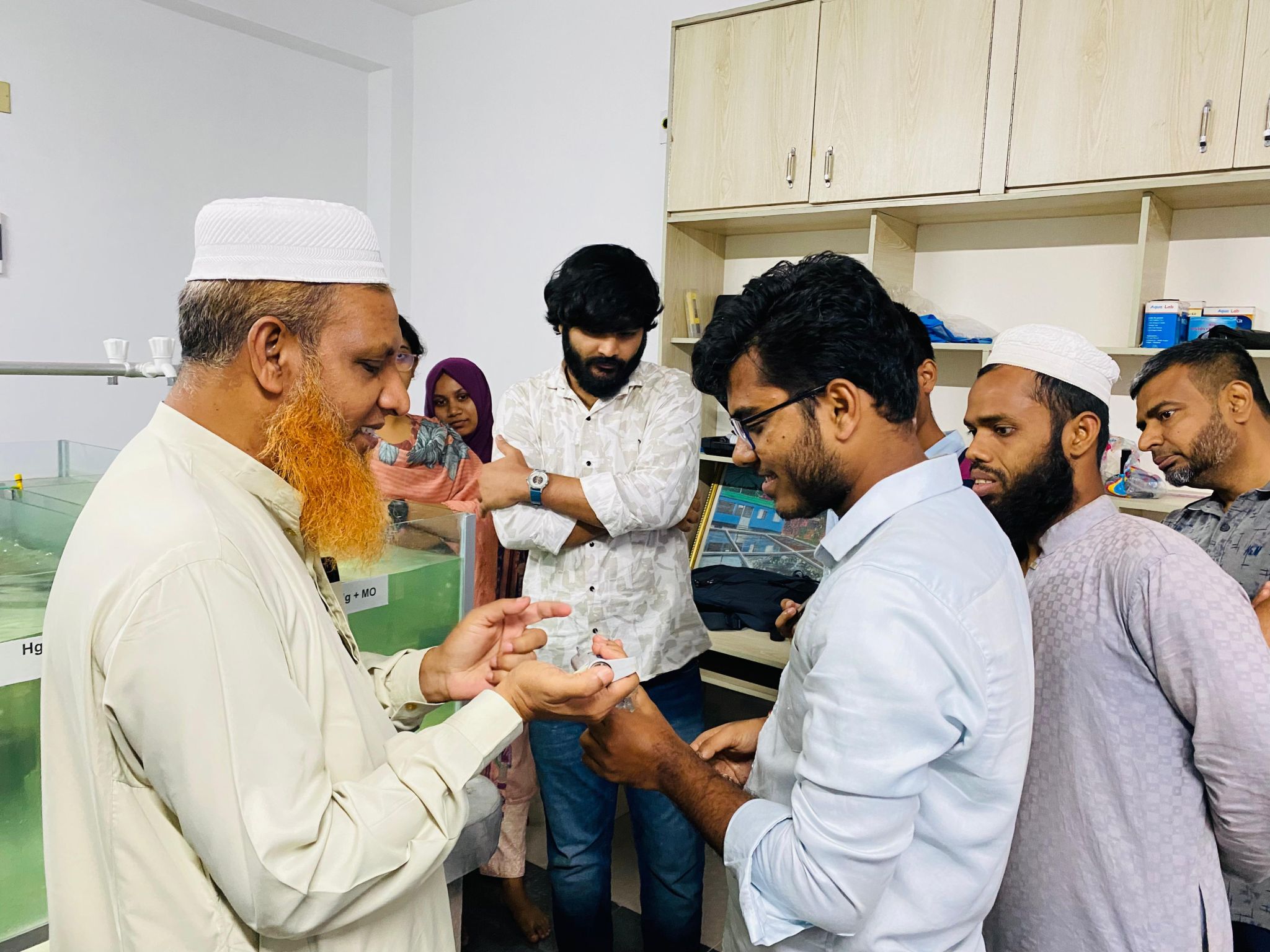
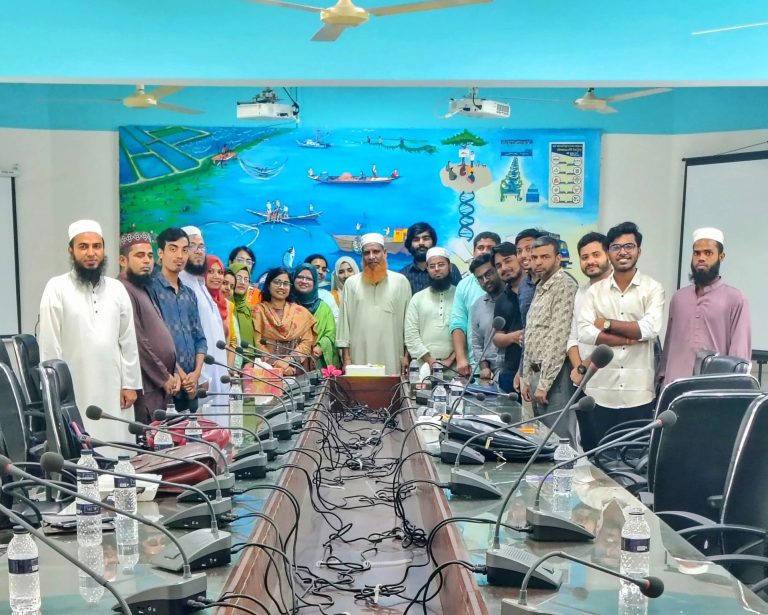
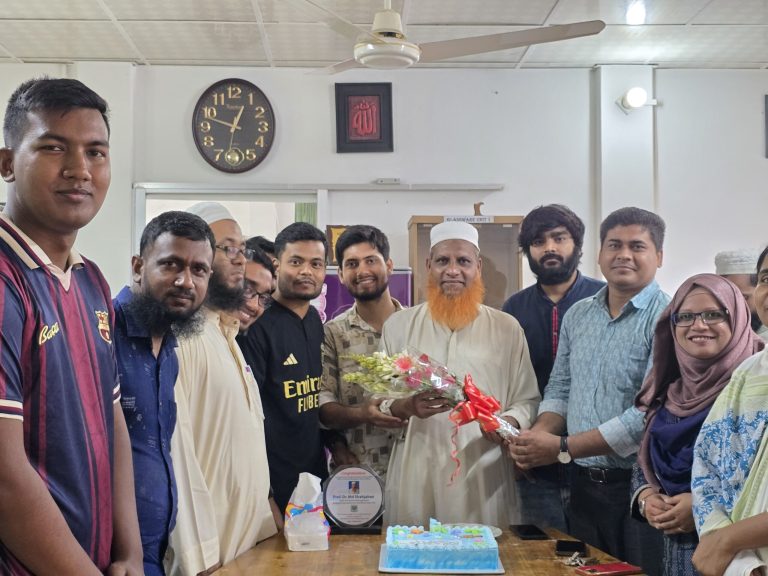
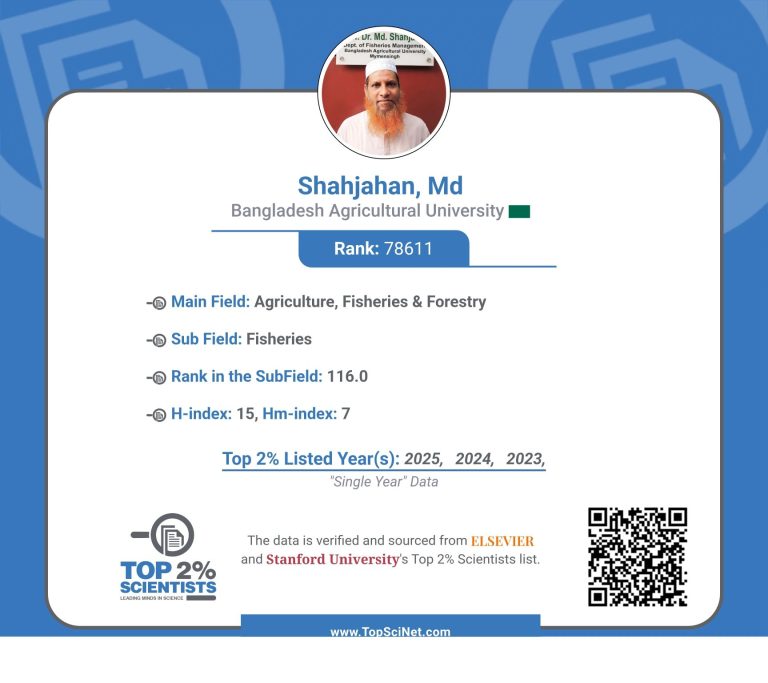
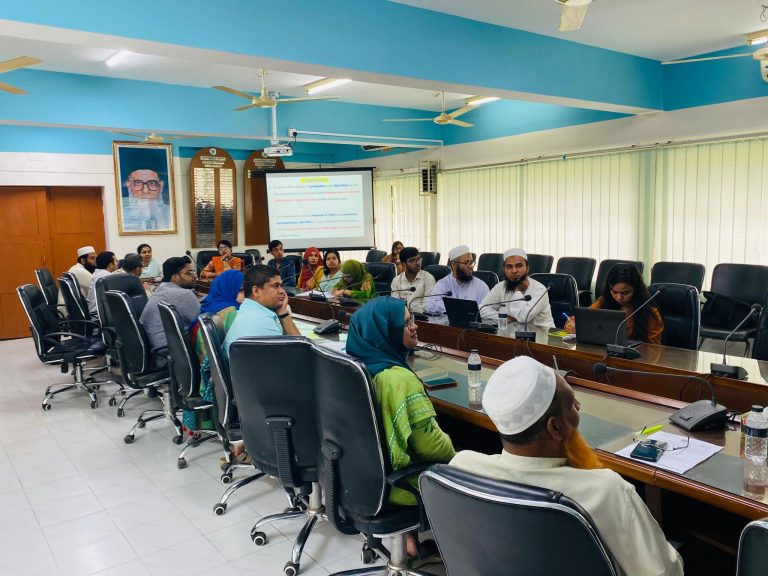
The Laboratory of Fish Ecophysiology has officially launched a series of new experiments for the current batch of MS students. This semester, our research team is focusing on innovative solutions to improve sustainable aquaculture practices in Bangladesh. Under the direct and active supervision of Professor Dr. Md. Shahjahan, students are diving deep into the world of fish physiology and environmental health.
The Role of Bioremediation in Fish Farming
A primary goal of these new experiments is to identify and evaluate potential bioremediants. As environmental stressors like heavy metals and pesticides increase in our water bodies, finding natural ways to mitigate these threats is essential. By focusing on sustainable aquaculture practices, we aim to reduce the chemical footprint of fish farming. Bioremediation offers a biological path to cleaning aquatic environments, ensuring that the fish produced are safe for human consumption.
Hands-On Mentorship and Research Excellence
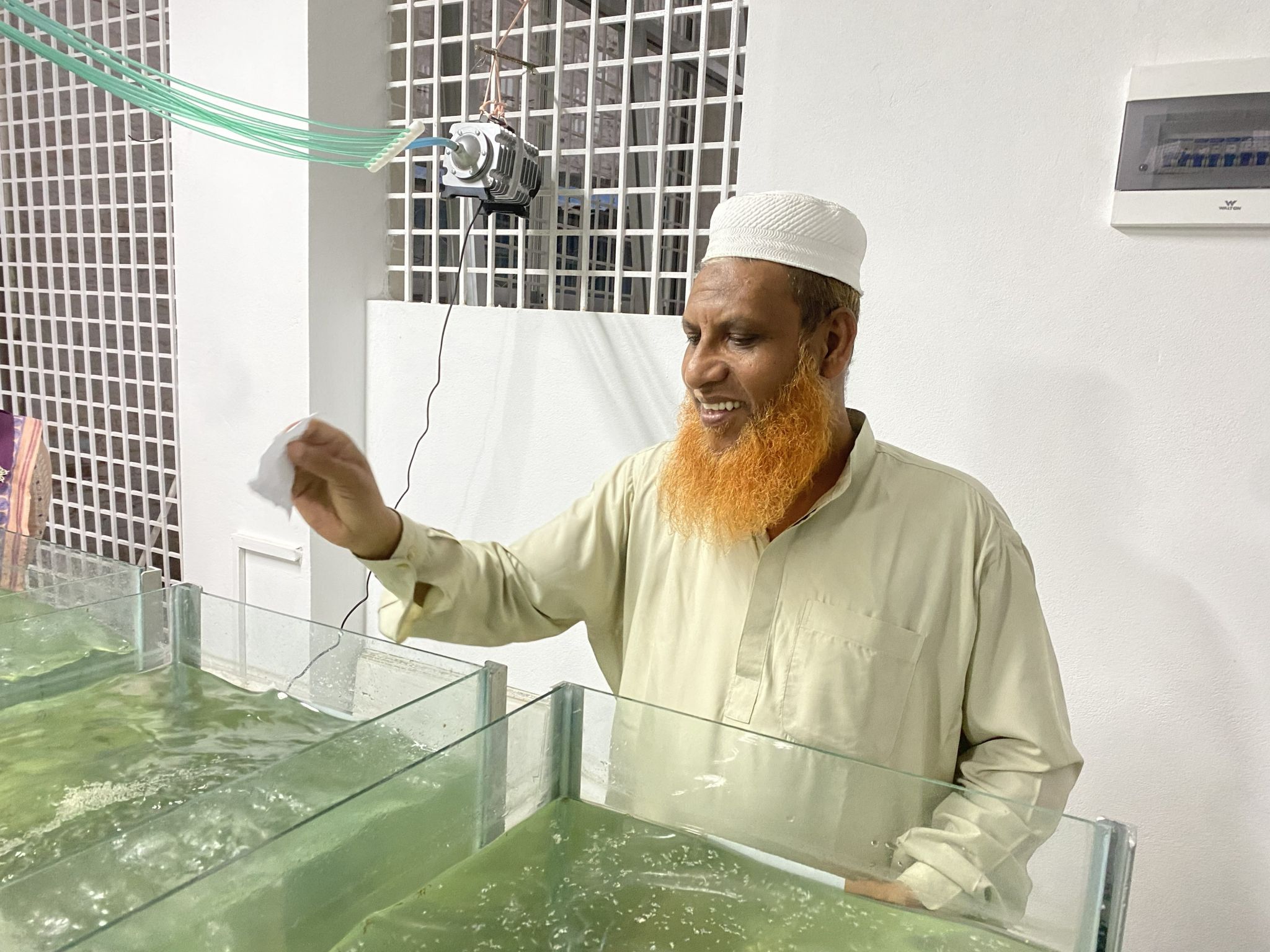
Professor Dr. Md. Shahjahan is actively engaged with the students and the entire research team during these trials. His “hands-on” approach ensures that MS students learn the precision required for high-impact scientific research. This mentorship is a cornerstone of our lab, helping students transition from theoretical knowledge to practical applications of sustainable aquaculture practices.
The team is currently monitoring various physiological parameters to see how different bioremediants interact with fish health. This data will be crucial for developing new protocols that can be used by local farmers to protect their livelihoods from climate change and pollution.
Impact on the Blue Economy
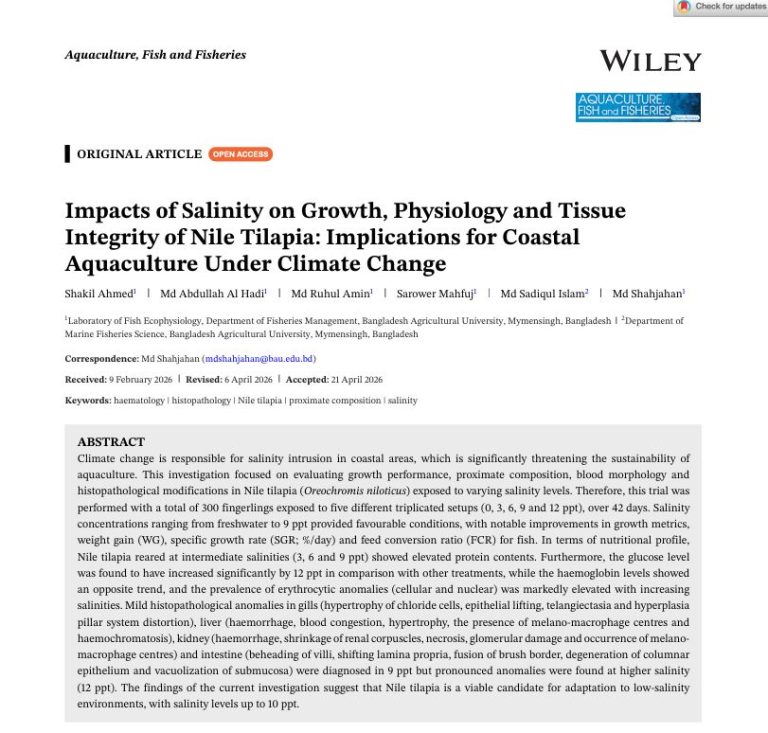
We believe that the results of these experiments will contribute significantly to the national goal of a greener Blue Economy. Promoting sustainable aquaculture practices is not just about protecting nature; it is about ensuring the long-term economic viability of the fisheries sector. We look forward to sharing the findings of these experiments in upcoming international journals.